
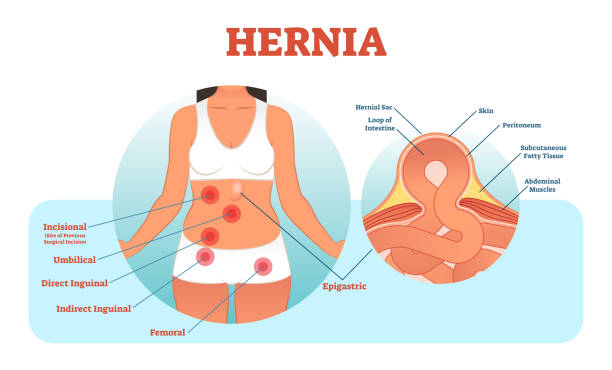
Hernia treatment typically involves surgical intervention, although there are different approaches and techniques used based on the type and severity of the hernia. A hernia occurs when an organ or tissue pushes through a weak spot or opening in the surrounding muscle or connective tissue. The most common types of hernias are inguinal hernias (in the groin), umbilical hernias (around the belly button), and hiatal hernias (in the diaphragm).
Here's an overview of hernia treatment options:
Watchful Waiting: In some cases, particularly with small hernias that are not causing symptoms, a "watch and wait" approach may be recommended. This means monitoring the hernia's size and symptoms and considering surgery only if it becomes larger or starts causing discomfort or complications.
Lifestyle Changes: For certain types of hernias, such as hiatal hernias associated with gastroesophageal reflux disease (GERD), lifestyle changes and medication may be used to manage symptoms. These changes can include dietary modifications, weight management, and the use of antacids or acid-reducing medications.
Hernia Trusses: Hernia trusses are supportive devices that can be worn over the affected area to provide temporary relief and support for reducible hernias. However, they are not a long-term solution and should only be used under the guidance of a healthcare professional.
Surgical Repair: The most common and effective treatment for hernias is surgical repair. There are different surgical techniques used for hernia repair, including:
Open Hernia Repair (Herniorrhaphy): This traditional method involves making an incision over the hernia, pushing the herniated tissue back into place, and then reinforcing the weakened abdominal wall with sutures or mesh.
Laparoscopic Hernia Repair (Laparoscopic Herniorrhaphy): In this minimally invasive approach, small incisions are made, and a laparoscope (a thin, flexible tube with a camera) is inserted to guide the surgeon in repairing the hernia with the help of specialized instruments and mesh. Laparoscopic surgery often results in smaller incisions, less post-operative pain, and a shorter recovery period compared to open surgery.
Robotic-Assisted Hernia Repair: Similar to laparoscopic surgery, this technique uses robotic arms controlled by the surgeon to perform the repair with increased precision.
The choice of surgical technique depends on the patient's overall health, the type and size of the hernia, and the surgeon's expertise. Mesh reinforcement is commonly used in hernia repairs to reduce the risk of recurrence.
It's important to note that hernias do not resolve on their own and, if left untreated, can lead to complications such as incarceration (trapping of the herniated tissue) or strangulation (compromised blood flow to the herniated tissue), which can be life-threatening. If you suspect you have a hernia or are experiencing symptoms like pain, discomfort, or a visible bulge, consult a healthcare provider for a proper evaluation and discussion of treatment options.
Hernia Treatment doctor in Palava City, Phase 1
Hernia Treatment doctor in Palava City, Phase 1, Dombivali
Hernia Treatment doctor in Palava City, Phase 1 dombivali kalyan
Hernia Treatment doctor in Palava City, Phase 1, Dombivali kalyan