


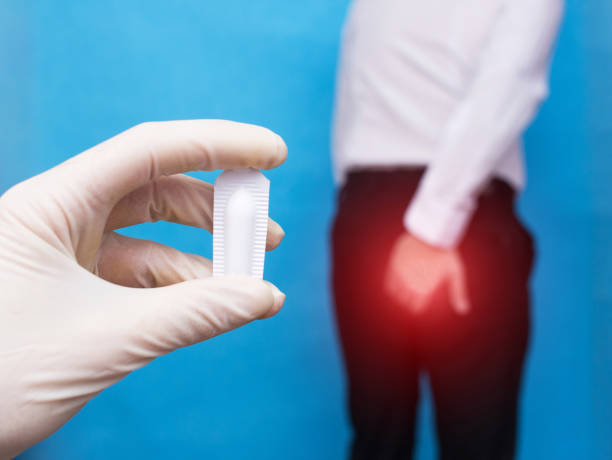
Piles, also known as hemorrhoids, are swollen and inflamed veins in the rectum and anus. The severity of piles can vary, and treatment options depend on the type and severity of the condition. Here are some common approaches to piles treatment:
Lifestyle Modifications:
- Dietary changes: A high-fiber diet with plenty of fruits, vegetables, and whole grains can soften stools and make bowel movements easier, reducing the strain on hemorrhoids.
- Adequate hydration: Drinking enough water can help prevent constipation, which can exacerbate piles.
- Avoiding straining: Straining during bowel movements can worsen piles. Try not to delay or force bowel movements.
- Regular exercise: Physical activity can promote regular bowel movements and reduce the risk of piles.
Over-the-Counter (OTC) Medications:
- Over-the-counter creams, ointments, or suppositories containing ingredients like hydrocortisone or witch hazel may help alleviate symptoms such as itching and discomfort. They provide temporary relief but do not cure piles.
Prescription Medications:
- In some cases, a healthcare provider may prescribe medications such as topical corticosteroids or prescription-strength creams to reduce inflammation and provide symptom relief.
Minimally Invasive Procedures:
- Sclerotherapy: A solution is injected into the hemorrhoid, causing it to shrink and eventually disappear.
- Rubber band ligation: A rubber band is placed around the base of the hemorrhoid to cut off its blood supply, causing it to wither and fall off.
- Infrared coagulation (IRC): A special device is used to heat the hemorrhoidal tissue, causing it to shrink.
- Electrotherapy: A probe is used to apply electrical currents to the hemorrhoid, which triggers a chemical reaction that shrinks the hemorrhoidal tissue.
Surgical Procedures:
- Hemorrhoidectomy: This surgical procedure involves the removal of hemorrhoids. It is typically reserved for severe cases that do not respond to other treatments.
- Stapled Hemorrhoidopexy (Procedure for Prolapse and Hemorrhoids, or PPH): In this procedure, a surgical stapler is used to remove excess tissue and reposition the remaining tissue, reducing the blood flow to the hemorrhoidal tissue.
- Hemorrhoidal Artery Ligation (HAL): This procedure uses ultrasound to locate and tie off the arteries supplying blood to the hemorrhoids, causing them to shrink.
The choice of treatment depends on the size, type, and severity of the piles, as well as the patient's overall health. It's important to consult with a healthcare provider to determine the most appropriate treatment plan for your specific condition.
Piles treatment doctor in Palava city, Phase 1, Dombivali
Piles treatment doctor in Palava city, Phase 1, Dombivali thane
Piles treatment doctor in Palava city, Phase 1, Dombivali kalyan