
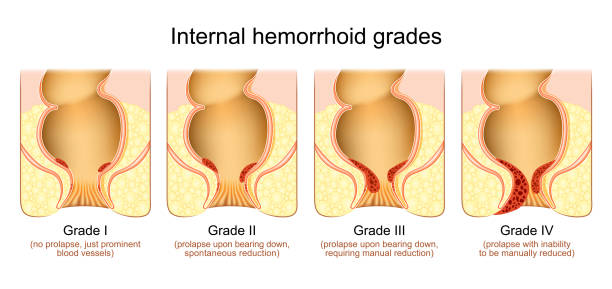
Piles, also known as hemorrhoids, are swollen and inflamed veins in the rectum and anus that can cause discomfort, pain, bleeding, and itching. There are several treatment options available for piles, ranging from lifestyle changes and home remedies to medical interventions. The choice of treatment depends on the severity of the condition. Here are some common treatment options for piles:
Lifestyle Modifications:
- Dietary Changes: Increasing dietary fiber intake can soften the stool and make bowel movements easier. This can help reduce strain during bowel movements, which is a common cause of piles.
- Hydration: Drinking plenty of water can prevent constipation and promote regular, soft bowel movements.
- Regular Exercise: Staying physically active can help improve bowel function and prevent piles.
Over-the-Counter (OTC) Medications:
- OTC creams and ointments containing hydrocortisone or witch hazel can provide relief from itching and discomfort.
- Oral pain relievers like acetaminophen or ibuprofen may help alleviate pain and inflammation.
Topical Treatments:
- Sitz Baths: Soaking the affected area in warm water for 15-20 minutes a few times a day can relieve discomfort and promote healing.
- Ice Packs: Applying an ice pack to the affected area can help reduce swelling and pain.
Prescription Medications:
- In cases of severe pain or inflammation, a doctor may prescribe stronger medications, such as suppositories or creams containing corticosteroids.
Minimally Invasive Procedures:
- Rubber Band Ligation: This procedure involves placing a small rubber band at the base of the hemorrhoid to cut off its blood supply, causing it to wither and fall off.
- Sclerotherapy: A chemical solution is injected into the hemorrhoid, causing it to shrink and eventually disappear.
- Infrared Coagulation: Infrared light is used to coagulate the blood vessels supplying the hemorrhoid, leading to its shrinkage.
- Laser Therapy: A laser is used to shrink and remove hemorrhoidal tissue.
- Hemorrhoidectomy: In severe cases or when other treatments fail, surgical removal of the hemorrhoids may be necessary.
Dietary Supplements: Some people find relief from their symptoms by taking dietary supplements such as psyllium husk, bioflavonoids, or horse chestnut.
Hygiene: Keeping the anal area clean with gentle, unscented wipes or warm water after bowel movements can help prevent irritation and infection.
It's essential to consult with a healthcare professional, such as a gastroenterologist or a colorectal surgeon, if you have persistent or severe symptoms of piles. They can help determine the most appropriate treatment for your specific condition. In some cases, especially with advanced or recurring hemorrhoids, surgical options may be considered. Remember that early intervention and lifestyle modifications can help prevent piles or manage milder cases effectively.
Best Piles Surgeon in Palava city, Phase 1, Dombivli
Best Piles Surgeon in Palava city, Phase 1, Thane
Best Piles Surgeon in Palava city, Phase 1, Kalyan Dombivli
Best Piles Surgeon in Palava city, Phase 1, Dombivli east
Best Piles Surgeon in Palava city, Phase 1, Dombivli west